

Industry · Smart Cities
The city,
on a single screen.
For city governments, metropolitan areas and urban-service operators that must connect mobility, security, mass events and citizen service.
The problem · Smart Cities
Cameras, sensors and citizen reports don't talk to each other. The response arrives once it's already news.
- 01Fragmentation
The control room watches eight screens and none is connected to the other.
- 02Manual triage
Citizen reports trickle in via WhatsApp, social media and the 123 line — with no correlation.
- 03Late decisions
Predictable mass events overwhelm operations because the decision is made once it has already happened.
70%
of the cost of a critical incident builds up in the first 2 hours.
62%
of operational time is spent querying systems before being able to decide.
9×
more correlated events are detected when data is cross-referenced in real time.
Estimates based on incident-response benchmarks · Internal analysis 2025–2026
Each urban vertical has its own system. Traffic, cameras, emergencies, citizen service and social media rarely talk to each other. Naboo connects them, anticipates disruptions such as protests, blockades or mass events, and coordinates the response in real time.
Naboo · in Smart Cities
How it works in your operation.
Each urban vertical has its own system. Traffic, cameras, emergencies, citizen service and social media rarely talk to each other. Naboo connects them, anticipates disruptions such as protests, blockades or mass events, and coordinates the response in real time.
- Anticipation of protests, blockades and mass events
- Real-time mobility and traffic management
- Citizen security and urban video analytics
- Conversational citizen service at scale
naboo://halcón
liveCase · anonymized
What changed once it was integrated.
Context
Metropolitan area of 4M inhabitants with municipal cameras, traffic sensors and a 123 line operating in isolation.
Process
Inbox unifies the feeds, Oráculo predicts congestion and unrest with scoring, Centinela coordinates dispatch.
Result
Tripled prioritized events per shift and reduced resource deployment time during mass events.
Reference KPI
What moves.
01
3×
Prioritized events per operations shift
Ratio of actionable events handled per operator versus the baseline, keeping the same headcount.
02
Real time
Multi-source correlation + geographic alerting
Inbox + Halcón ingest cameras, IoT sensors, mobility data and social media in the same temporal layer.
03
−45%
Resource deployment time for mass events
Compared against the prior flow of manual dispatch by radio and calls between departments.
How it's composed
The modules for your operation.
Modules involved
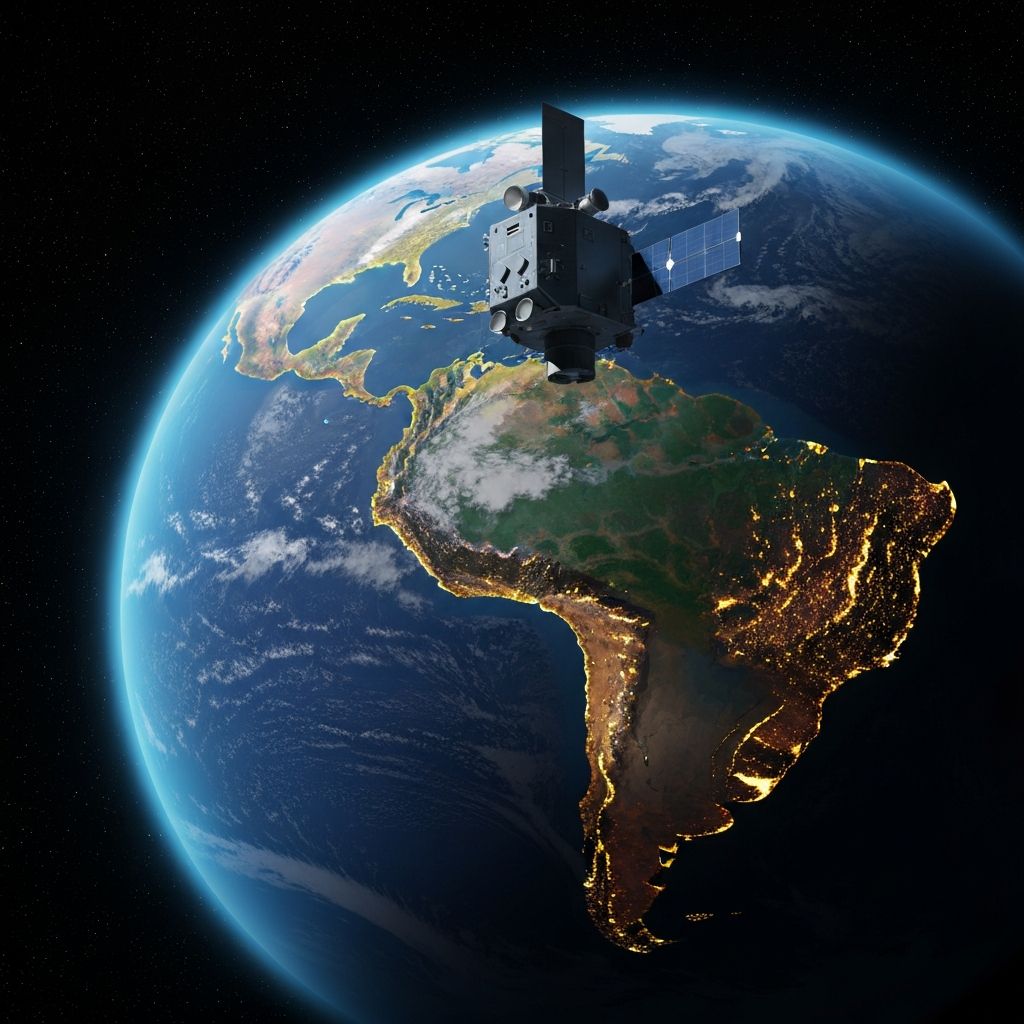
Halcón
Observes signals and territory
Satellite, radar, sensor and social signals on a single screen. What you normally wouldn't see in time.

Inbox
Unifies the data
A single inbox for every signal, normalized and with its origin.
Oráculo
Predicts and simulates
Anticipates what's about to happen and shows what breaks if it does.
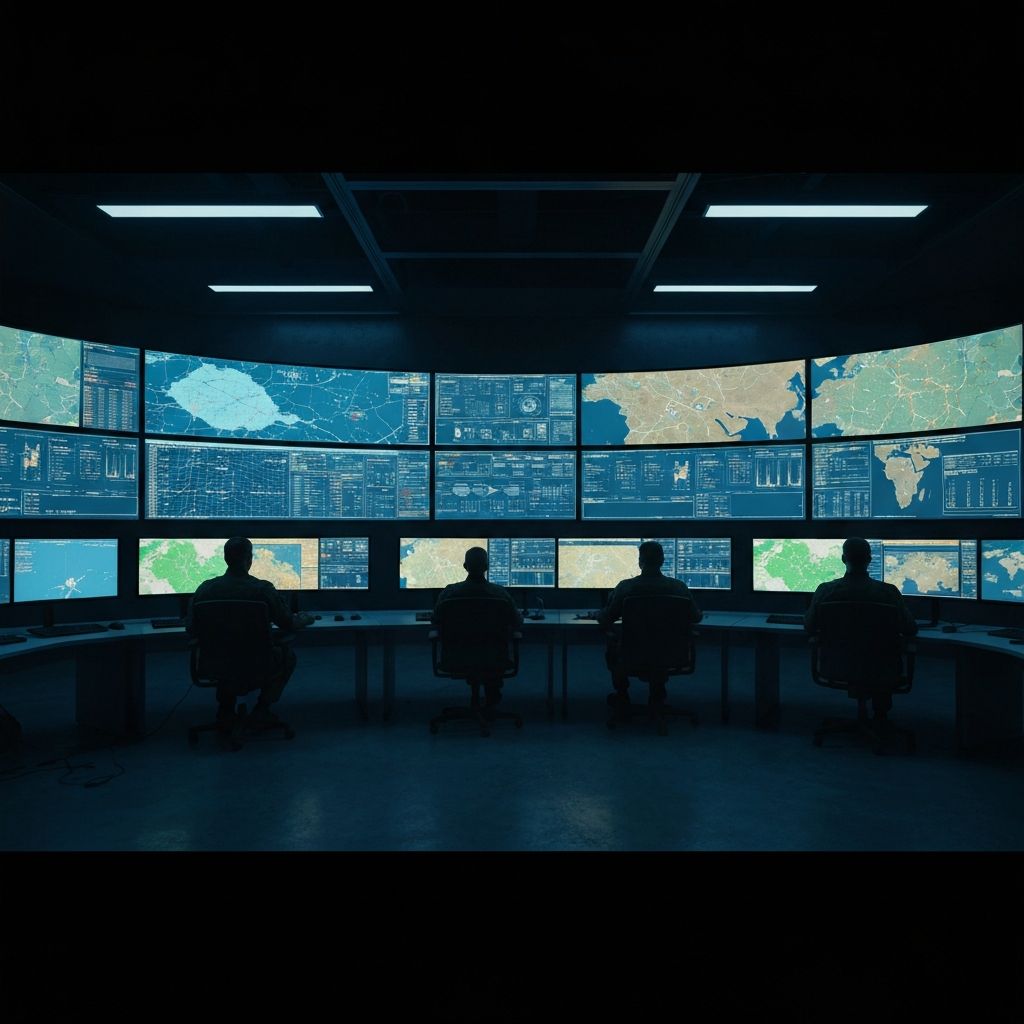
Centinela
Coordinates the operation
The command center where your team sees the operation, decides and coordinates the response.
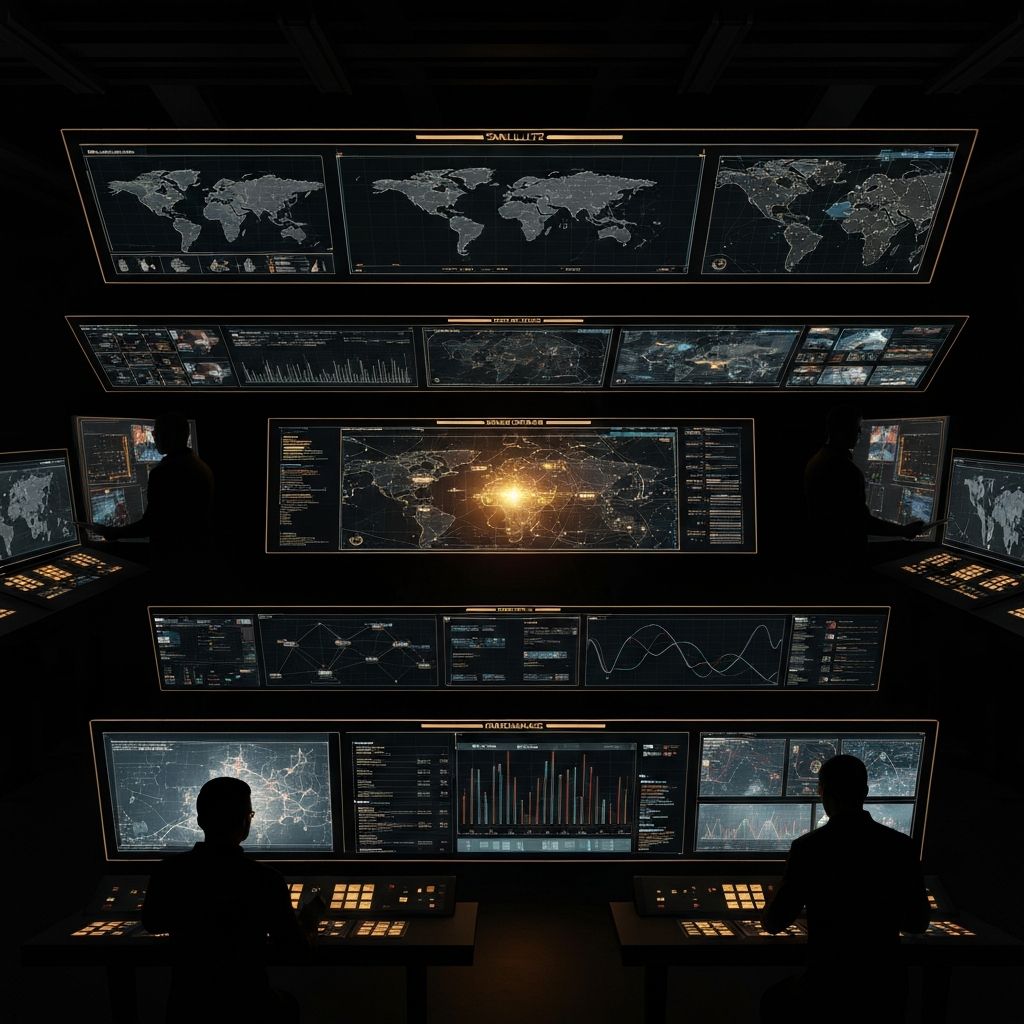
Genius
Executes via agents
Agents that execute at scale what the team decided. Messages, calls and reports.
Escudo
Sustains continuity
Sovereignty and signed audit. On-prem, edge or air-gapped deployment.
Next step
Demo for Smart Cities.
Smart Cities demo: 45 min on a real urban operation.