


01
Government · Citizen security
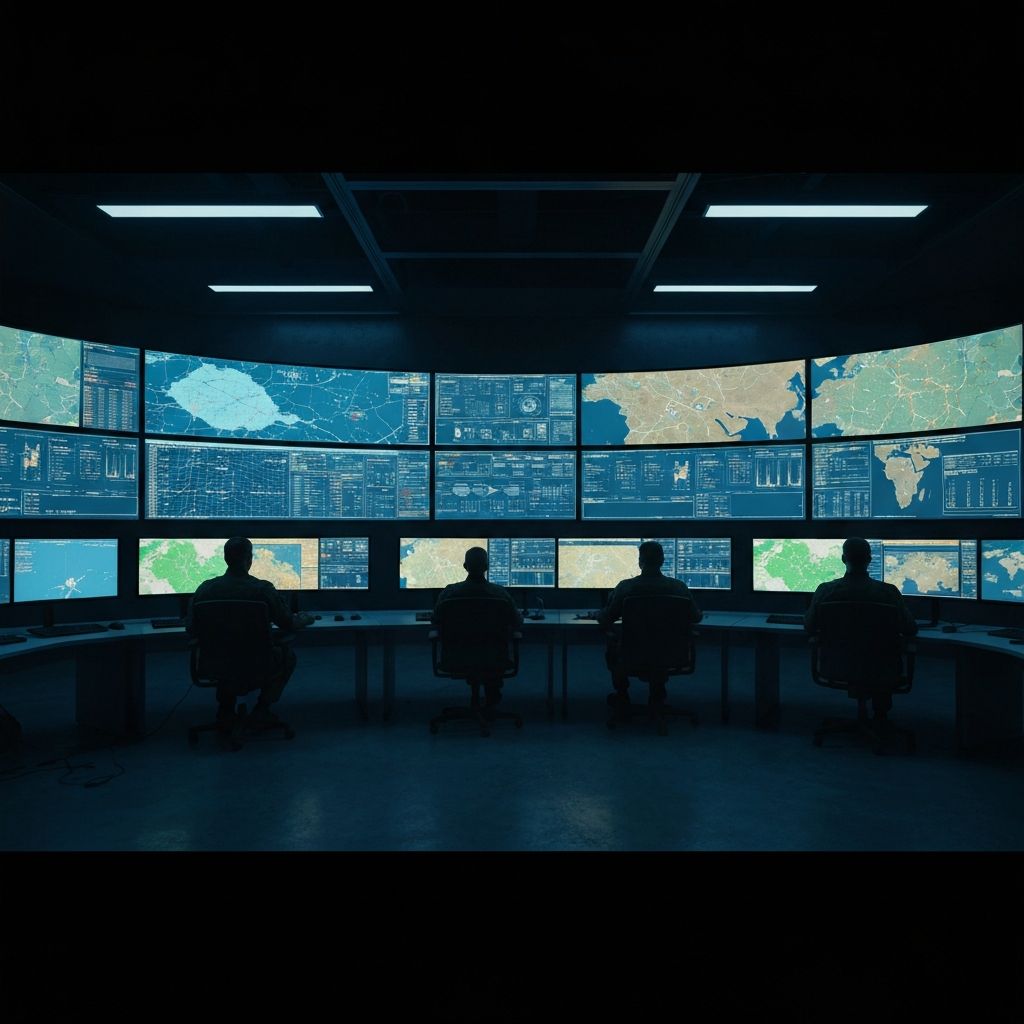
City of 2.3M inhabitants with four agencies operating on the same alert without effective coordination.
Result
−58% inter-agency coordination time during a 72-hour protest.

AI Operating System for Operational Superiority
It integrates cameras, sensors, satellites, social listening and legacy systems into a single operational picture — under national control and with no dependence on foreign jurisdictions.
The problem
Real case
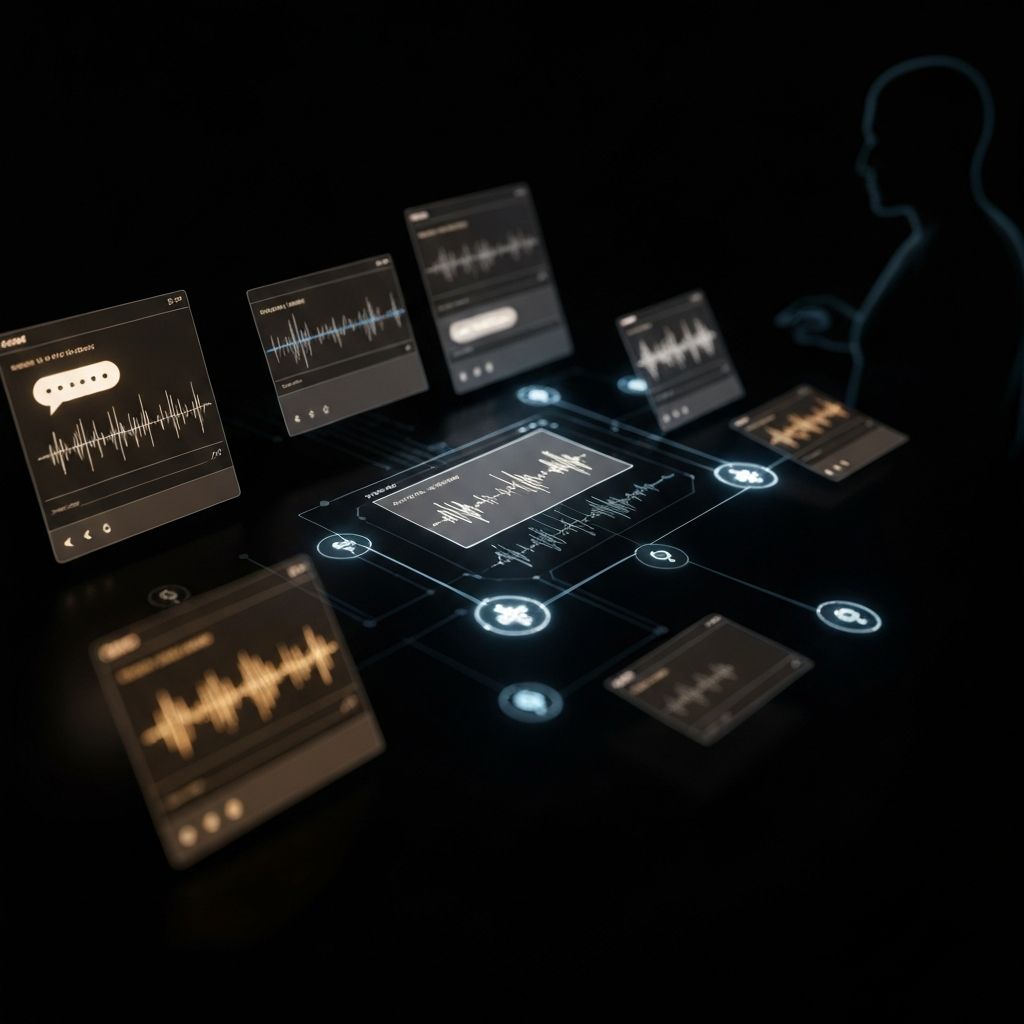
Imagine a city with thousands of separate information sources:
The problem is not just having data. The real challenge is that every system speaks a different language.
Naboo Intelligence works as the city's common language model. Instead of looking at isolated systems, Naboo sees a connected story.
This lets it answer questions like:
70%
of the cost of a critical incident builds up in the first 2 hours.
62%
of operational time is spent querying systems before being able to decide.
9×
more correlated events are detected when data is cross-referenced in real time.
Estimates based on incident-response benchmarks · Internal analysis 2025–2026
The solution
An architecture designed to connect what you already have with what you need to decide.
Sources
Outputs
Naboo doesn't replace your systems. It turns them into a single operational picture, with the ability to anticipate, coordinate and audit every decision.
The platform in action
A single platform to see, anticipate and coordinate the critical operation.
01 · Halcón
Applies AI models to cameras, video and satellite to detect and understand what is happening in real time.

Deployment
From the initial diagnosis to coordinated operation, with deliverable value at every milestone and without rewriting your systems.
Sources, systems and priority risks. Integration map and team alignment.
Active connectors, defined operational ontology and the first unified situational picture in production.
Predictive models, early warnings and multi-team workflows configured for your use case.
Active command center, policy-governed AI agents, scenario simulation and continuous observability.
Industries
Each industry comes with different problems, metrics and ways of buying. A government demo looks nothing like a telco one.

01
Government
Four agencies get the same alert and none coordinates the response.
Reference KPI
−65%
Inter-agency response time

02
Smart Cities
Cameras, sensors and citizen reports don't talk to each other. The response arrives once it's already news.
Reference KPI
3×
Prioritized events per operations shift

03
Telco
You detect the network anomaly once the customer has already left for a competitor.
Reference KPI
−40%
MTTR on critical network incidents
04
Energy
A substation failure is invisible until it blacks out a district.
Reference KPI
MTTR reduction
And fewer unplanned events

05
Logistics
Your fleet, your warehouses and your customers live in three different systems.
Reference KPI
+35%
Route and asset efficiency

06
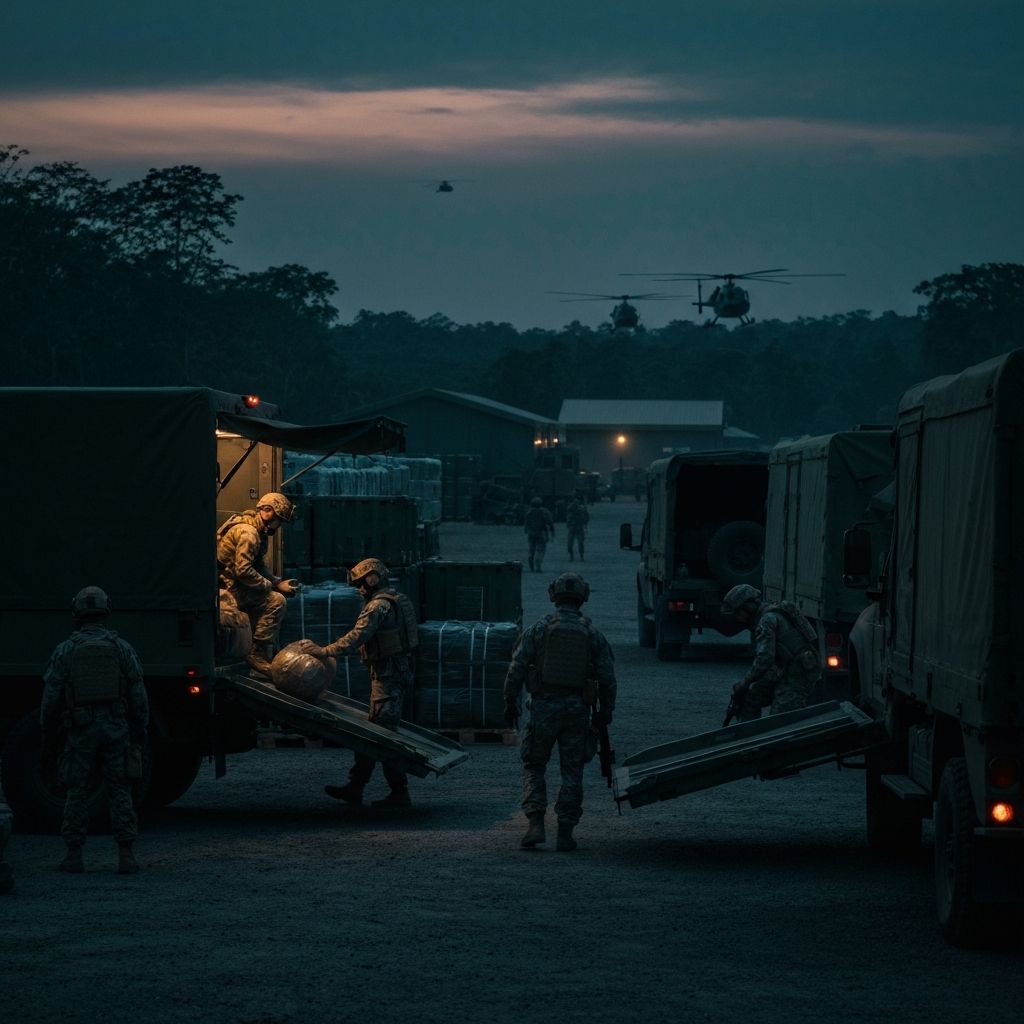
Defense
By the time you have the full picture, the emergency has already happened.
Reference KPI
Pre-crisis
Intervene before the peak, not after
Proof of trust
Real cases with measurable results, transparent methodology and an architecture aligned with international best practices.
01
Government · Citizen security
City of 2.3M inhabitants with four agencies operating on the same alert without effective coordination.
Result
−58% inter-agency coordination time during a 72-hour protest.
02
Telco · Integrated NOC
Operator whose network, commercial and fraud data lived in silos. Incidents were detected late.
Result
−40% mean time to resolution (MTTR) on critical network incidents.
03
Energy · Distribution
Distribution company with an extensive power grid, SCADA and sensors generating thousands of events per second with no prioritization.
Result
Anticipated a substation failure 18 h before the event, with automated dispatch.
How we measure
Aggregate figures come from active deployments in government, telco and energy. Each metric is measured against a baseline established in the diagnostic phase, over a window defined with the customer. Results vary by case and by the degree of source integration.
Alignment
Encryption in transit and at rest
TLS 1.3 in transport; AES-256 at rest. Keys managed by the customer.
Signed audit · Escudo
Every query, recommendation and action logged with identity and cryptographic signature.
Separation of privileges
Identity, authorization and action operated as independent, auditable layers.
Federated data
Information never leaves the customer's jurisdiction. Only signed results are exchanged.
Private models
Local inference or on the customer's infrastructure. No training on customer data for third parties.
Air-gapped capable deployment
Full operation without internet for defense, national security or critical-infrastructure cases.
Controls aligned with the principles of ISO 27001 and SOC 2. Currently operating under self-applied controls. Formal certification on the 2026 roadmap.
Team
Teams distributed across LATAM and Spain with prior experience in government intelligence, telco, defense and critical-operations platforms.
Meet the team→Sovereignty
Four deployment modes. Your jurisdiction, your regulation, your level of operational sensitivity.
See technical architecture→01
Default deployment
Cloud infrastructure exclusive to the client. Your data doesn't share a server with anyone else.
Standard operation with managed scale, no multi-tenant environments.
02
Cloud + existing systems
Coexists with your on-prem systems and keeps a single unified operation.
When some data must stay in your data center and the rest can live in the cloud.
03
Regulated operation
Everything runs in your data center, with no dependence on external vendors.
When regulation requires that no data leaves your infrastructure.
04
Classified operations
Works without internet, on fully isolated networks.
Specific defense or national-security projects on a closed network.
Anticipation
Next step
No commercial commitment. Under NDA if you need it. You walk away with a 90-day roadmap regardless of how the conversation continues.
What happens in the demo